Physical Address
304 North Cardinal St.
Dorchester Center, MA 02124
Physical Address
304 North Cardinal St.
Dorchester Center, MA 02124

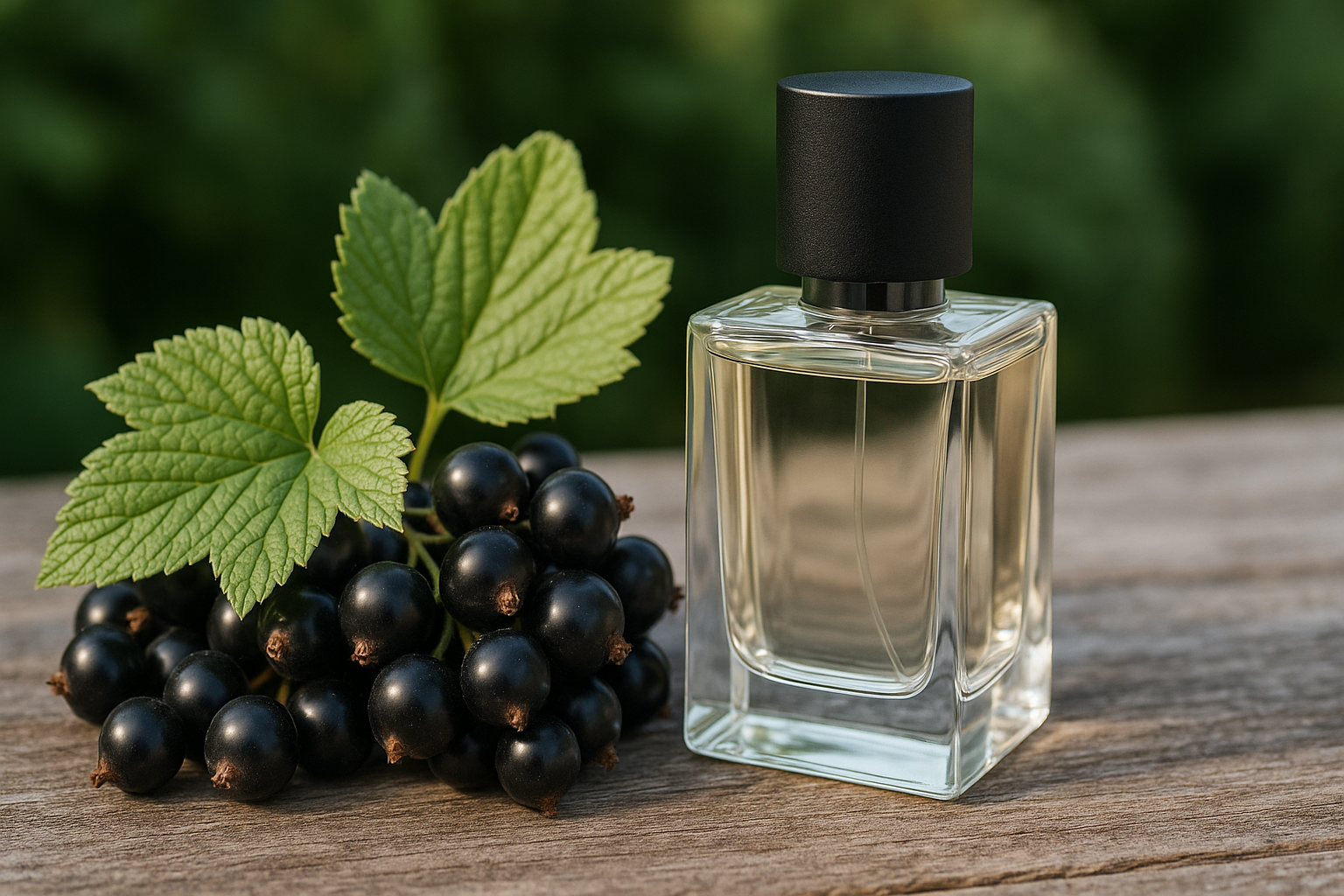
Cassis, also known as blackcurrant bud, is one of perfumery’s most dynamic and attention-grabbing notes. With its sharp green tang and mouthwatering fruitiness, it bridges the gap between nature’s wild greenery and sweet, juicy berries. Extracted from the buds and leaves of the Ribes nigrum plant, cassis offers a scent profile that is both complex and arresting—an olfactory contradiction that has earned it a special place in many modern and niche fragrances.
Used sparingly, cassis can electrify a composition with its tart, wine-like freshness. Used boldly, it becomes the centerpiece of a fragrance, creating a signature scent that’s unforgettable. In this article, we’ll explore how cassis smells, how it’s used in perfumery, and why this note continues to fascinate perfumers and fragrance lovers alike.
Cassis has a bold and unmistakable scent that immediately stands out in a fragrance composition. Its aroma is a vivid blend of tart blackcurrant juice, crushed green leaves, and a subtle animalic undertone that gives it depth and realism. At first sniff, cassis feels fresh and fruity, but it quickly reveals a sharp greenness—often likened to snapped stems, tomato leaf, or even wine must.
What sets cassis apart is its dual nature: it is both sweet and sour, fruity yet vegetal. The top note explosion of juicy blackcurrant is counterbalanced by a leafy, sometimes pungent edge, often described as “catty” or “sulfuric” when used in high concentrations. This sharpness is part of what gives cassis its raw, natural feel—and why it must be carefully balanced in perfume formulas.
In small doses, cassis adds brightness, juiciness, and a lively green twist. When used more generously, it dominates with a wild, vibrant energy that evokes fresh berries on the vine or dew-covered foliage at dawn.
Cassis has been featured in a wide range of fragrances—from fresh and playful to dark and elegant—thanks to its vivid personality and versatility. Here are some standout perfumes where cassis plays a significant role:
A luxurious and powerful fragrance, Aventus for Her opens with a sharp burst of green apple and cassis. The cassis note provides a tart, juicy brightness that energizes the composition before soft florals and musk settle in. It’s a perfect example of cassis adding modern freshness to an otherwise rich perfume.
This elegant fragrance pairs jammy rose with a distinct note of blackcurrant. Cassis enhances the fruity-floral character, giving the rose a lush, almost edible quality. The balance of green sharpness and sweet fruit makes this scent feel both classic and contemporary.
In this warm yet fresh chypre, cassis introduces a sparkling top note that contrasts beautifully with oakmoss, mirabelle plum, and creamy florals. The cassis here lifts the composition, making it feel adventurous and free-spirited.
Though blackberry is the star, cassis plays a key supporting role by emphasizing the green, tart qualities of the fruit. The result is a crisp, slightly wild scent that evokes hedgerows and countryside walks.
Cassis is used in the opening to add brightness to this warm, woody, and slightly sweet fragrance. It gives a fruity lift that contrasts with the deeper notes of vetiver, musk, and amber, helping create a multifaceted and transportive experience.
Each of these perfumes showcases cassis in a different light—from vibrant and juicy to deep and mysterious—demonstrating its range and appeal across styles and scent families.
Cassis is a bold and expressive note, but its true beauty often emerges in how it interacts with other fragrance ingredients. When paired thoughtfully, cassis can amplify freshness, add contrast, or enhance complexity within a perfume.
Cassis and rose are a classic combination. The tartness of cassis enhances the sweetness of rose, making the floral note feel brighter and more dynamic. It also pairs beautifully with peony, jasmine, and violet—giving these florals a crisp, green edge.
When blended with patchouli, vetiver, or cedarwood, cassis adds a burst of juicy freshness that cuts through the earthy density. This balance works particularly well in chypre-style perfumes, where green and woody contrasts are essential.
Cassis pairs well with raspberry, plum, or red apple, enhancing the fruitiness without tipping into syrupy sweetness. Its tart character acts as a natural counterweight to rounder, juicier fruits.
Soft musks and warm amber notes can help smooth out cassis’ sharpness, wrapping its green and fruity edges in a subtle warmth. This pairing often results in elegant, skin-like drydowns with a modern sensuality.
Cassis works well with lemon, bergamot, and grapefruit for sparkling top notes. It also matches with herbal elements like basil or mint to evoke a garden-fresh, aromatic experience.
Cassis is not a quiet, background note—it’s bold, green, and unapologetically tart. For that reason, perfumes with prominent cassis are often best suited for individuals who enjoy fresh, vibrant, and attention-catching scents. If you’re drawn to crisp fruit notes with an edge of complexity or appreciate fragrances that feel outdoorsy, energetic, and slightly wild, cassis might be a perfect match.
Personality Fit:
Cassis-forward perfumes often appeal to those with a confident, modern sensibility. The note carries a youthful brightness but is layered enough to appeal to more mature tastes as well—especially when paired with florals, woods, or musks. People who dislike overly sweet or powdery scents often find cassis refreshing and invigorating.
Seasonal Use:
Thanks to its juicy and green character, cassis shines brightest in spring and summer. It feels like a breath of fresh air—perfect for warmer weather, outdoor activities, or daytime wear. That said, when combined with woods or spice, cassis can transition beautifully into fall, lending a tart contrast to richer, moodier compositions.
While cassis is not typically associated with winter or deep evening wear, in the right formulation it can still offer an unexpected twist—especially when anchored by amber, incense, or gourmand notes.
Is cassis the same as blackcurrant?
Not exactly. While the terms are often used interchangeably in casual conversation, “cassis” in perfumery typically refers to the scent extracted from the buds and leaves of the blackcurrant plant (Ribes nigrum), not the sweet berry itself. The resulting aroma is greener, sharper, and more complex than the fruity blackcurrant flavor used in food or beverages.
Why does cassis smell “catty” or sulfuric sometimes?
Cassis contains naturally occurring sulfur compounds, which can emit a slightly animalic or sharp quality, often described as “catty” or pungent. In well-balanced perfumes, this nuance adds realism and depth. However, if used excessively or without enough complementary notes, it can become overpowering.
Is cassis a natural or synthetic ingredient in most perfumes?
Both are used, but synthetic cassis accords are more common due to cost, stability, and regulatory factors. Natural blackcurrant bud absolute is rich and beautiful but expensive and highly concentrated, which makes it challenging to work with in large quantities.
Can cassis be worn year-round?
While cassis shines in spring and summer thanks to its bright, juicy character, it can be worn year-round—especially when blended with woods, ambers, or spices for a warmer twist. The key is in how it’s combined within the fragrance composition.
Does cassis smell more fruity or green?
It depends on the context. Cassis is inherently both: juicy and fruity like blackcurrant juice, yet also sharply green like crushed leaves. Some compositions highlight its fruitiness, while others lean into its leafy, vegetal side.
Cassis is a bold and unforgettable presence in perfumery—a note that dances between tart berries and vibrant greenery. Its duality makes it one of the most expressive and versatile ingredients in a perfumer’s palette, capable of injecting brightness, contrast, and realism into a fragrance composition.
Whether you love the fresh bite of a green top note, the juicy thrill of ripe fruit, or the complex layering of a well-crafted blend, cassis offers something truly unique. Its presence can lift florals, energize musks, or add intrigue to woody bases—making it as suitable for everyday wear as it is for sophisticated signature scents.
As perfume trends continue to evolve, cassis remains a modern classic: assertive, elegant, and full of personality. If you haven’t explored this dynamic note yet, it might be time to add a splash of cassis to your fragrance wardrobe.